
 EN
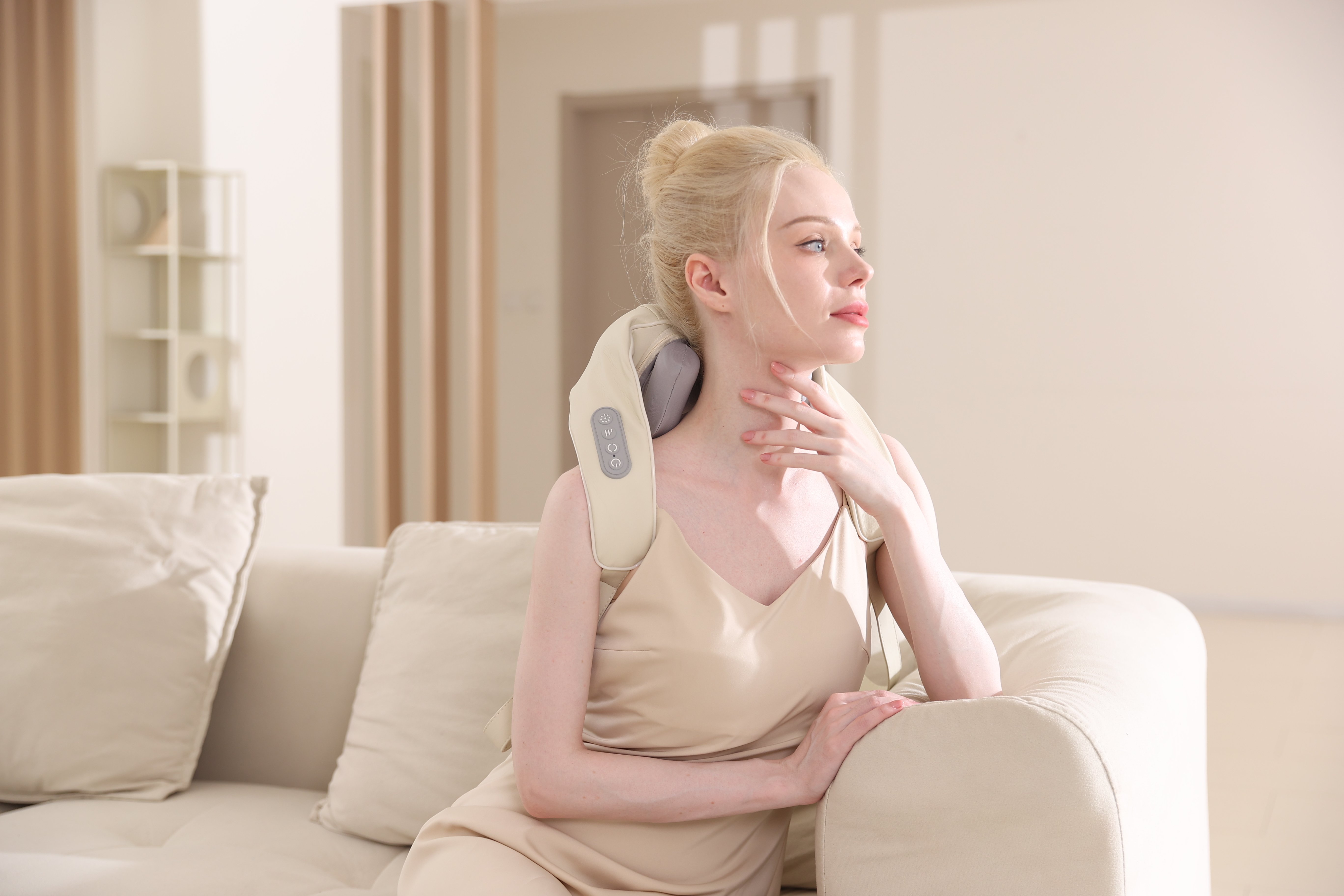


In the personal care and muscle recovery industry, ergonomic design directly determines how frequently and effectively a device gets used. Traditional personal recovery units often required users to constantly pull down on arm handles or hold the device in place with their hands. This physical exertion created counterproductive tension in the forearms, shoulders, and biceps, defeating the purpose of a relaxing massage session. Integrating an adjustable strap design into a modern shoulder massager fundamentally solves this mechanical limitation. By securing the device firmly across varying body frames without manual effort, users enjoy hands-free operation while receiving consistent, deep-tissue myofascial pressure.
Understanding the mechanical advantages, ergonomic adaptability, and physical therapy principles behind an adjustable strap design helps wellness equipment buyers, corporate procurement leads, and end-users appreciate why this feature has become an industry standard.
Mechanical Biomechanics: Why Manual Pressure Handles Fall Short
Legacy neck and upper body massagers relied heavily on long arm loops. Users had to slide their hands into straps and exert constant downward force to press the internal rotating massage nodes against tight trapezius muscles.
-
Muscle Contraction Contradiction: Pulling down with arms engages the pectoral, deltoid, and forearm muscles, generating upper body muscle tension while trying to relieve back stiffness.
-
Inconsistent Node Pressure: As user arms tire during a 15-minute session, manual pulling pressure weakens, resulting in uneven therapy and shallow muscle penetration.
-
Slippage on Diverse Body Frames: Fixed or non-adjustable handles fail to conform to broader shoulders or slender torsos, causing the mechanical nodes to shift away from painful trigger points.
Core Advantages Driving Popularity of Adjustable Strap Designs
Transitioning to an engineered adjustable strap design resolves biomechanical flaws by providing hands-free stabilization, tailored pressure control, and cross-body flexibility.
Hands-Free Multitasking and Effortless Wearability
An adjustable strap design features heavy-duty buckled harnesses, elastic extensions, or durable velcro closures that wrap securely around the chest, waist, or back.
-
Unrestricted Movement: Users can wear a Fenli massager while typing at an office desk, reading a book, preparing meals, or relaxing on the couch without holding the unit in place.
-
Zero Forearm Fatigue: Eliminating the need for manual pulling allows the entire upper body, including the neck and shoulders, to stay completely relaxed during deep tissue kneading cycles.
Customized Anatomical Fit and Variable Pressure Vectoring
Human shoulder width, cervical curvature, and body mass index vary significantly across users. A one-size-fits-all chassis cannot deliver uniform therapeutic results.
-
Precision Pressure Adjustment: Tightening the harness pulls the rotating 3D Shiatsu nodes closer to the trapezius muscle group, deepening tissue penetration without requiring hand strength.
-
Universal Body Compatibility: An adjustable strap design allows family members or co-workers of different physical sizes to share a single Fenli massager comfortably by simply resizing the quick-release straps.
| Feature Parameter | Legacy Arm-Loop Shoulder Massager | Fenli Adjustable Strap Design Massager |
|
Operational Mode |
Manual (Requires continuous hand pulling) |
100% Hands-Free (Secure chest/waist harness) |
|
Trapezius Muscle State |
Partially contracted during use |
Fully relaxed during massage cycles |
|
Anatomical Adaptability |
Fixed arm loops (Poor fit for broad/slender frames) |
Fully adjustable straps (Fits chest sizes 30-50 inches) |
|
Usage Multi-Tasking |
Low (Hands are occupied holding handles) |
High (Type, read, work, or relax freely) |
|
Node Contact Stability |
Moderate (Prone to shifting off trigger points) |
Maximum (Locked onto targeted muscle groups) |
Engineering Durability and Material Standards
Building a long-lasting adjustable strap design requires high-performance textiles and rugged structural hardware capable of withstanding repetitive tension stress and movement.
-
High-Tensile Nylon and Elastic Weave: The harness straps utilize reinforced double-stitched nylon or high-density elastic webbing that retains structural elasticity over thousands of stretch cycles.
-
Heavy-Duty Polymer Buckles and Hooks: Quick-release snap buckles pass rigorous tensile strength tests, ensuring they hold firm under maximum node pressure without slipping or unclipping unexpectedly.
-
Breathable Antibacterial Fabrics: Because straps lay across clothing or direct skin, moisture-wicking lining materials prevent heat buildup and resist sweat accumulation during thermal heating cycles.
International Safety Compliance and Quality Certification
Personal recovery equipment featuring wearable harness systems must meet strict global product quality and electrical safety standards:
-
IEC 60335-2-32 Global Standard: Regulates electrical safety, insulation integrity, and thermal protection systems in wearable personal massage appliances.
-
RoHS & REACH Directives: Guarantees that synthetic strap fabrics, plastic buckles, and synthetic leathers contain zero harmful plasticizers, heavy metals, or skin-irritating dyes.
-
ISO 9001 Quality Control Framework: Ensures every production batch undergoes load-bearing stress tests on strap attachment points before leaving the factory cleanroom.
Practical Real-World Deployment Scenarios
The versatility of an adjustable strap design makes it an ideal recovery solution across diverse daily environments:
-
Active Office Workstations: Remote workers and office executives can strap the unit securely over their desk chair, keeping the node assembly anchored on tight neck muscles while typing emails or attending conference calls.
-
Post-Workout Recovery Routines: Athletes can fasten the unit around their lower thoracic or lumbar spine, allowing deep rotational nodes to relieve muscle tightness while stretching or completing cooldown exercises.
-
Evening Relaxation at Home: Seniors and domestic users enjoy effortless relief while watching television, enjoying hands-free comfort without tiring their arms or struggling with clumsy handle loops.
Enhancing User Value Through Ergonomic Excellence
Adopting a high-performance adjustable strap design elevates a personal recovery device from a simple household gadget into an essential, daily-use wellness tool. By eliminating manual pulling friction, accommodating diverse body shapes, and enabling true hands-free multitasking, an engineered shoulder massager delivers professional-grade myofascial relief directly into modern lifestyle routines.
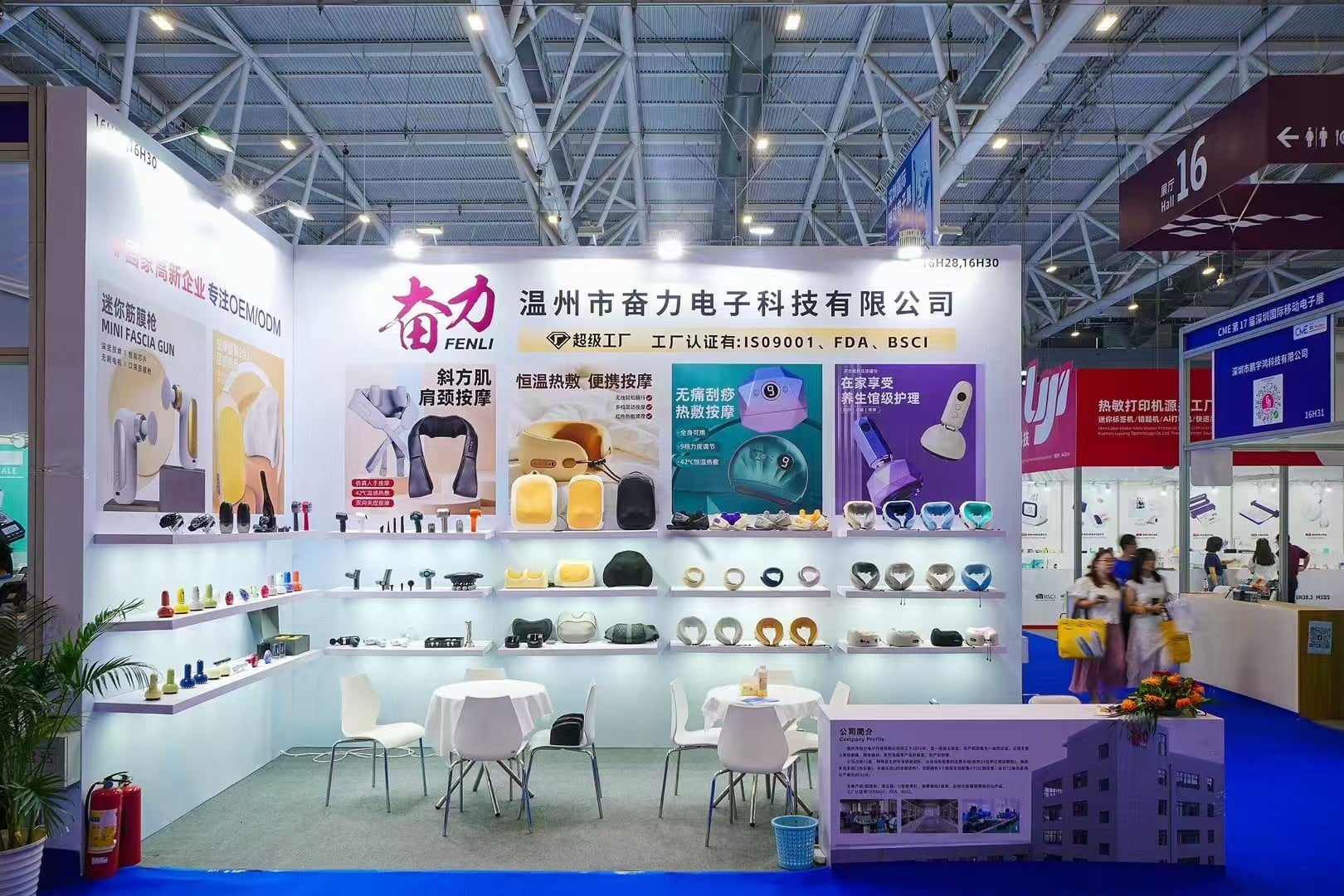
To review technical product specifications, examine full corporate catalogs, or inquire about direct OEM/ODM supply chain partnerships, visit our official portal at Fenli Personal Care Solutions.