
 EN


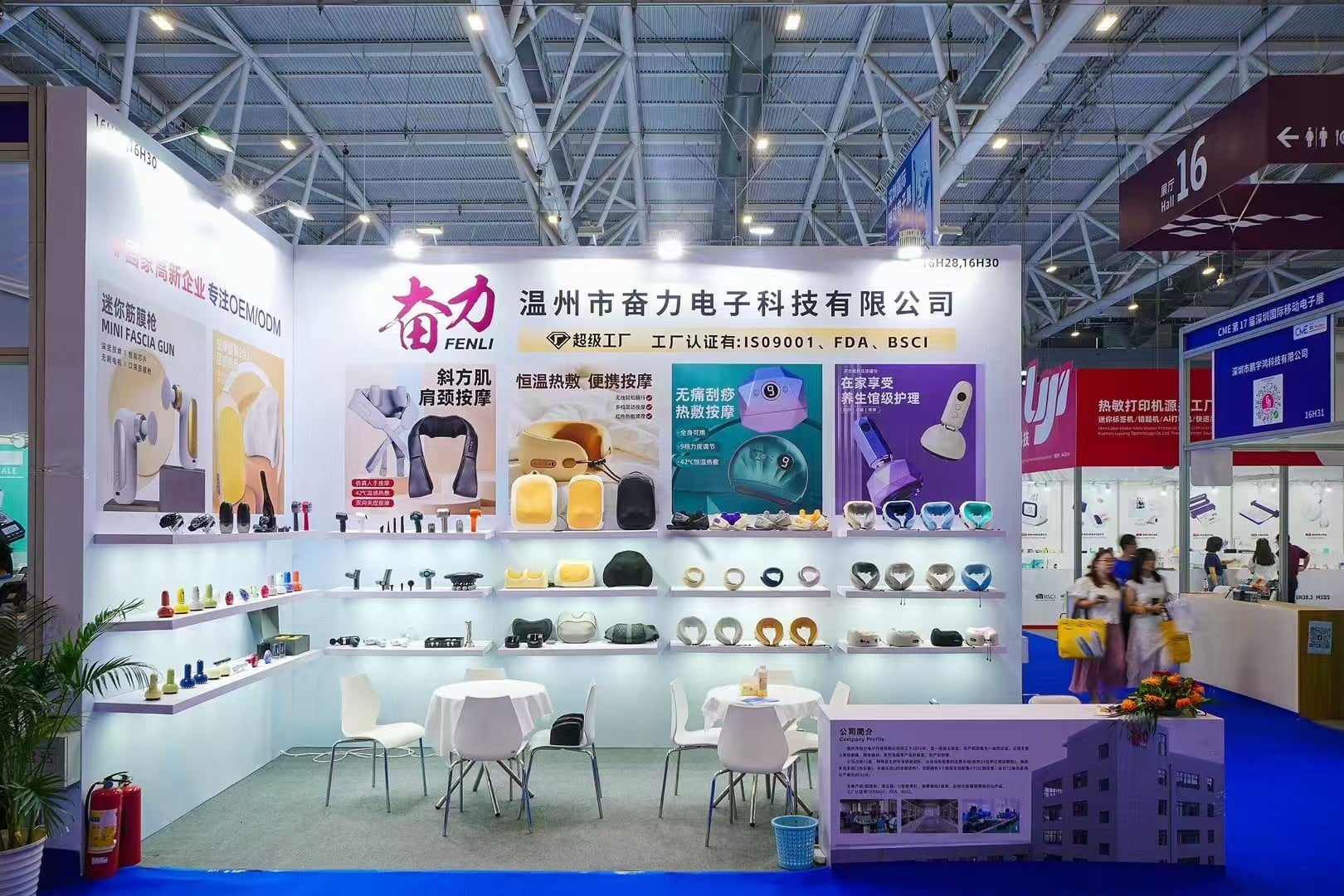

Modern wellness technology has modernized traditional Gua Sha techniques through electric heat, negative pressure vacuum suction, and red-light photon therapy. A modern electronic scraping massager stimulates localized dermal microcirculation, relieves deep muscular tightness, and promotes lymphatic drainage. However, achieving optimal therapeutic benefits without causing subcutaneous capillary damage or skin irritation depends entirely on applying a structured, steady cadence. Establishing a consistent operation rhythm when using a scraping massager prevents bruising, optimizes tissue recovery, and enhances user safety.
Understanding the biomechanical principles behind a controlled operation rhythm helps wellness enthusiasts, physical therapists, and daily users maximize the effectiveness of their Fenli massager.
Biomechanical Fundamentals: Why Stroke Speed and Pressure Cadence Matter
Traditional manual Gua Sha relies on hand pressure variations, which can easily lead to irregular friction and localized skin abrasion. An electronic scraping massager combines active thermal energy with gentle suction, making manual dragging speed a critical variable in dermal health.
-
Microvascular Response Dynamics: Capillaries require gradual pressure application to expand safely. Rushing strokes too quickly creates superficial skin friction without engaging deep myofascial layers.
-
Thermal Absorption Windows: Integrated red-light and thermal heating elements require a controlled dwell time on the skin surface to transfer heat effectively into underlying muscle tissue.
-
Fascial Glide Efficiency: A slow, unidirectional operation rhythm allows essential oils and skin lubricants to form an even protective barrier, reducing drag resistance and preventing skin pinching.
Phased Execution: The Ideal Three-Stage Operation Rhythm
To achieve optimal muscular relaxation and lymphatic stimulation, users should structure their wellness sessions into three distinct operational phases:
Phase 1: Vascular Warm-Up and Static Pre-Heating
Before initiating continuous glide strokes across large muscle groups, the skin and fascial layers must be prepared to avoid sudden thermal or suction shock.
-
Static Dwell Cadence: Place the heating head of the scraping massager on key acupoints (such as the upper trapezius or lower back) for 3 to 5 seconds without dragging.
-
Gradual Suction Ramp-Up: Begin at suction level 1, allowing the negative pressure to draw localized micro-vessels open safely before applying lateral motion.
Phase 2: Unidirectional Glide and Steady Stroke Tempo
The core therapeutic phase requires a deliberate, linear motion that follows natural muscle fiber orientation and lymphatic pathways.
-
Stroke Speed Cadence: Move the device smoothly at a speed of approximately 2 to 3 centimeters per second along the back, shoulders, or legs.
-
Unidirectional Motion: Always move the scraping massager in one direction—typically from top to bottom on the spine or from the body center outward toward the limbs—rather than scrubbing back and forth rapidly.
-
Rest and Reset Interval: Lift the device cleanly at the end of each stroke, reposition it at the starting anchor point, and repeat the line 5 to 8 times before moving to the adjacent muscle channel.
Phase 3: Pressure Release and Dermal Soothing Cycle
Ending a therapy session requires a gentle cooldown rhythm to settle the nervous system and calm capillary dilation.
-
Tapered Suction Reduction: Gradually dial down the suction level while maintaining a slow, sweeping motion across treated areas.
-
Post-Session Resting Phase: Allow the treated skin area to rest unworked for 2 to 3 minutes, applying soothing plant-based oils to nourish the skin barrier.
| Session Stage | Ideal Stroke Speed | Recommended Intensity | Primary Focus Area |
|
Warm-Up Phase |
Static Dwell (3-5 sec/point) |
Thermal Level 1 / Zero Suction |
Acupoint pre-heating & pore expansion |
|
Active Scraping Phase |
2 to 3 cm per second |
Thermal Level 2-3 / Medium Suction |
Unidirectional myofascial release |
|
Cooling Phase |
Broad 5 cm/sec sweeping |
Lowest Thermal / Zero Suction |
Calming microcirculation & skin barrier |
Avoiding Common Operational Hazards and Rhythmic Errors
Failing to maintain a disciplined operation rhythm often leads to minor skin trauma, skin bruising, or reduced therapeutic efficiency.
-
Rapid Back-and-Forth Scrubbing: Dragging a high-suction scraping massager rapidly back and forth pinches the epidermis and creates irregular capillary petechiae (excessive red spots).
-
Excessive Static Park Duration: Leaving a suction-enabled Fenli massager motionless on delicate skin for longer than 10 seconds can cause localized blood pooling and minor blistering.
-
Applying Heavy Manual Downward Force: Users should let the device's internal vacuum suction create the tissue lifting force rather than pushing down hard with hand strength.
International Safety Directives and Device Quality Standards
Manufacturing a safe, ergonomically balanced scraping massager requires strict adherence to global medical and electronic consumer standards:
-
IEC 60335-2-32 Compliance: Regulates electrical safety, insulation integrity, and thermal cut-off mechanisms for personal massage devices.
-
RoHS & REACH Certification: Ensures that all contact surfaces, silicone suction rings, and metallic heating heads are free from toxic heavy metals and allergen-inducing chemicals.
-
CE & FCC Compliance: Verifies electromagnetic compatibility, guaranteeing that internal motor controllers maintain steady, noise-free operation without interfering with other household electronics.
Practical Scenarios Across Everyday Wellness Routines
Applying a rhythmic approach transforms home recovery across various real-world usage scenarios:
-
Desk-Worker Neck & Shoulder Relief: Office workers suffering from tight trapezius muscles benefit from a slow downward glide from the base of the skull toward the shoulder blades, releasing tension without causing excessive skin redness before work meetings.
-
Post-Workout Leg & Calf Recovery: Athletes use a moderate-speed upward stroke from the ankles toward the knees to clear metabolic waste and alleviate delayed onset muscle soreness (DOMS).
Maximizing Value Through Technical Precision
Mastering a structured operation rhythm ensures that every home recovery session delivers professional-grade microcirculation benefits while protecting delicate skin tissues. By combining steady glide speeds, correct thermal management, and gentle pressure transitions, users transform their daily self-care into a safe, deeply relaxing habit.
To explore technical datasheets, full product specifications, and direct supply chain options, visit our official resource portal at Fenli Personal Care Solutions.