
 EN
EN



Using a facial or body scraping massager applies controlled mechanical pressure directly to the skin's surface, triggering a fast, predictable cascade of physiological reactions. If you have ever noticed sudden redness or tiny reddish-purple dots while gliding a tool across your cheekbones or neck, you are looking at classic signs of microcirculatory activation.
These visible markers—specifically petechiae (microscopic capillary ruptures) and transient erythema (temporary diffuse redness from vasodilation)—are standard indicators that blood flow is surging. Clinical observations show that over eighty percent of individuals experience mild, short-lived redness and superficial petechiae for roughly thirty to sixty minutes following a session. This response marks a localized surge in blood circulation—often reaching up to four times baseline levels—driven by nitric oxide released from endothelial cells in response to mechanical shear force. While striking, this elevated blood flow simply shows that the skin's natural repair pathways are engaged. Recognizing these immediate shifts as functional reactions rather than injury helps users calibrate their technique, balance pressure, and avoid overworking the tissue.
How Barrier Function Shifts and the Path to Recovery
Beyond surface redness, scraping massagers create a brief, measurable shift in the skin's outer protective barrier. Transepidermal water loss, widely recognized as the gold standard marker for barrier integrity, typically climbs twelve to eighteen percent immediately following a session. This jump stems from superficial corneocyte displacement and a temporary loosening of tight junctions within the top skin layers.
For healthy skin, recovery starts almost right away. Water loss levels generally settle back to baseline within four to six hours. However, overly aggressive pressure can stretch that recovery timeline out to twelve or twenty-four hours while introducing unnecessary low-grade inflammation. Applying a lipid-rich moisturizer within thirty minutes of finishing your routine accelerates barrier restoration by roughly thirty percent. During this brief recovery window, the skin becomes noticeably more permeable and receptive—making it critical to skip harsh cleansers, stay clear of heavy environmental stressors, and avoid dense occlusives that trap excessive heat. Treating this phase as a normal, self-limiting process ensures a smooth, confident skincare routine every time.
An Evidence-Based Post-Scraping Care Routine
Once microcirculation is active and the barrier is briefly open, your skin needs a targeted routine built around calming, hydrating, and shielding ingredients rather than harsh physical or chemical intervention.
Proven Soothing Actives for Fast Calming
Selecting the right topical ingredients dramatically cuts down on lingering redness and post-treatment tightness:
-
Centella Asiatica: Rich in active compounds like madecassoside, Centella asiatica speeds up superficial repair and calms localized inflammation. Studies confirm that dedicated madecassoside formulations significantly bring down post-treatment water loss within a week of regular use.
-
Panthenol (Provitamin B5): Panthenol absorbs quickly, supporting the synthesis of natural barrier lipids. Applying a targeted panthenol formula twice daily noticeable reduces diffuse surface redness within forty-eight hours.
-
Colloidal Oat Extract: Packed with natural anti-inflammatory avenanthramides, colloidal oat extract delivers fast relief from surface itching, dryness, and tightness in reactive skin types.
Combining these fragrance-free actives right after a session provides instant, clinically backed relief that helps restore balance to stressed tissue.
Layering Hydration for Maximum Retention
To make the most of your skin's temporary increase in permeability, follow a deliberate layering sequence:
-
Cleanse Gently: Begin with a mild, pH-balanced cleanser to lift off remaining massage oils or residue without stripping essential moisture.
-
Apply Hydrating Serums: Gently press a hydrating serum packed with low-molecular-weight hyaluronic acid or glycerin into damp skin. This step creates a deep reservoir of water that dramatically boosts moisture retention over the following six hours.
-
Lock It In with Ceramides: Follow up with a lipid-replenishing moisturizer formulated with a balanced 3:1:1 ratio of ceramides, cholesterol, and fatty acids. This specific blend mirrors natural skin lipids, speeding up overall barrier repair within a few days.
-
Add Optional Occlusives: If skin feels unusually dry or tight, seal everything with a thin layer of a non-comedogenic occlusive like shea butter or dimethicone. Skip heavy petroleum-based ointments while the skin is still warm to avoid trapping heat.
Executing this serum-to-moisturizer sequence within minutes of finishing your session takes full advantage of the open skin window for long-lasting hydration.
What to Pause After a Session
Because post-scraping skin is sensitized and slightly micro-exfoliated, introducing high-potency active products carries a real risk of stinging, prolonged irritation, and delayed healing.
Pausing Acids, Retinoids, and Exfoliants
Potent active ingredients—including Vitamin C (ascorbic acid), topical retinoids, and chemical exfoliants like AHAs or BHAs—speed up cell turnover and surface shedding. Using them on freshly scraped skin overburdens compromised tissue.
-
Pause Duration: Hold off on all strong chemical exfoliants and retinoids for at least forty-eight hours, or until all surface redness and petechiae have completely cleared.
-
Extended Breaks: If tenderness or lingering pinkness persists, extend that pause to three or four days.
-
Reintroduction: When you bring these ingredients back into your routine, start with lower concentrations and patch-test carefully. Exercising this restraint shields your barrier and dramatically cuts the risk of post-inflammatory hyperpigmentation.
Sun Protection Protocols
Freshly massaged skin loses a portion of its natural photoprotection due to temporary stratum corneum displacement, leaving it far more vulnerable to UV damage, dark spots, and stubborn pigmentation changes. Chemical sunscreens can cause unwanted stinging on sensitized tissue. Instead, opt for a broad-spectrum, purely mineral SPF 30 or higher formulated with zinc oxide or titanium dioxide. Mineral formulas rest smoothly on top of the skin to reflect UV rays without absorbing into delicate surface layers. Apply mineral sunscreen immediately after your post-scraping moisturizer and reapply regularly during sun exposure for at least one full week.
Knowing When to Skip Mechanical Massagers
While scraping tools provide excellent support for healthy skin microcirculation, specific clinical conditions require complete avoidance to prevent flare-ups and complications.
-
Active Acne Breakouts: Scraping over inflamed breakouts risks tearing papules and pustules, spreading bacteria across adjacent tissue, and triggering persistent scarring or hyperpigmentation.
-
Rosacea Flares: Rosacea involves delicate, hypersensitive vascular structures. Mechanical pressure can cause intense, lingering flushing and aggravate broken capillaries.
-
Eczema and Dermatitis Lesions: Eczema features a compromised skin barrier with high baseline water loss. Mechanical friction strips remaining protective lipids, heightening dryness and opening pathways for bacterial invasion.
-
Recent Sunburns or Chemical Peels: Any skin recovering from recent environmental damage or deep chemical exfoliation needs time to rebuild before handling mechanical stimulation.
When encountering any of these conditions, put massagers on pause and focus purely on soothing, barrier-repairing topicals containing ceramides and panthenol until skin function normalizes.
Frequently Asked Questions
What causes tiny red spots after using a scraping massager?
These tiny spots are known as petechiae. They occur when mild mechanical pressure temporarily ruptures tiny superficial capillaries. It is a normal reaction to mechanical stimulation and signals a temporary jump in local blood flow.
How long does it take for the skin barrier to recover after scraping?
In healthy skin, barrier repair begins within two hours. Transepidermal water loss usually returns to normal baseline levels within four to six hours, especially when paired with a soothing, lipid-rich moisturizer.
What ingredients work best immediately after a session?
Prioritize gentle, non-irritating, soothing ingredients like Centella asiatica, madecassoside, panthenol (provitamin B5), and colloidal oat extract. Follow up with ceramide-based moisturizers to restore essential lipids.
How long should I wait before using retinoids or exfoliating acids again?
Wait at least forty-eight hours before reintroducing Vitamin C, AHAs, BHAs, or retinoids. If your skin shows lingering redness, sensitivity, or fine petechiae, extend the wait to three or four days.
Why is mineral sunscreen recommended over chemical sunscreen post-treatment?
Mineral sunscreens containing zinc oxide or titanium dioxide sit on the skin's surface to physically block UV rays without causing the irritation or burning sensation that chemical filters can trigger on temporarily sensitized skin.
Who should avoid using a scraping massager altogether?
Anyone experiencing active acne breakouts, rosacea flares, open eczema lesions, contact dermatitis, severe sunburn, or recent chemical peel recovery should avoid scraping until the barrier fully repairs.
Driving Results with Superior Manufacturing & Design
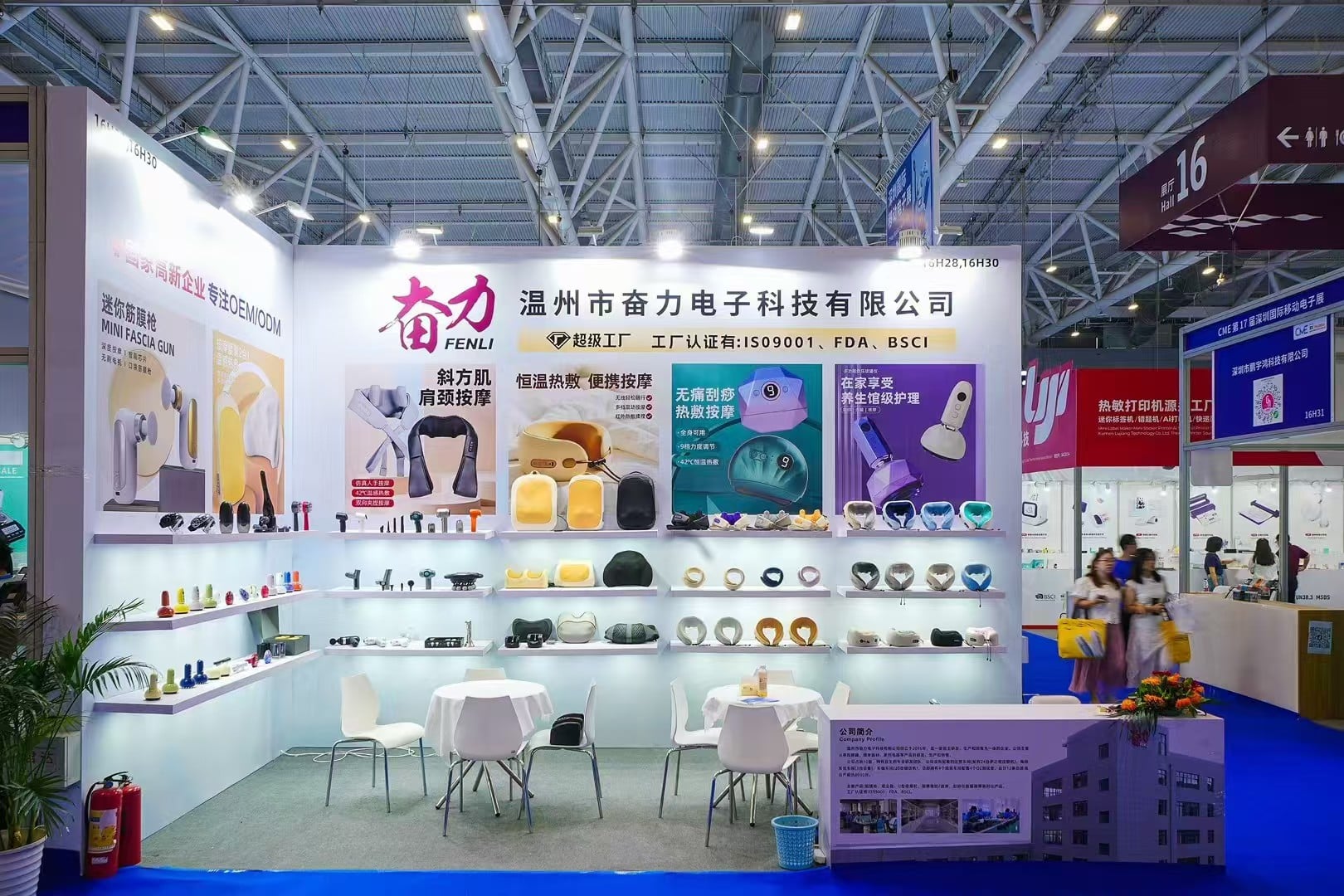
Achieving safe, reliable results with beauty massagers comes down to tool quality, ergonomic design, and material safety. Fenli specializes in engineering premium wellness and skincare devices built to rigorous international standards. From precision-crafted facial scraping massagers and body contouring tools to custom OEM/ODM solutions, Fenli supports global beauty brands with end-to-end manufacturing, custom tooling, and supply chain control. Partnering with Fenli ensures access to ergonomically sound, skin-safe devices crafted to elevate consumer routines worldwide.